Eravikulam National Park
Location : 17 Kms from Munnar, Kerala
Area : 97 sq. kms
Prime Attractions : Nilgiri Tahr, Tigers, Leopard, Atlas Moth, Elephants, Sambars, Gaurs, Lion-tailed Macaque and Nilgiri Langur.
How to Reach: Nearest Airport is Kochi (135 kms), Nearest railway station is located at Aluva (115 kms), taxis, cars and other vehicles are available from Kochi.
Where to Stay: Accommodation option is not available inside the park, Munnar is the ideal base for a trip to the park. The hill station of Munnar is dotted with several hotels.
Ideal Time To Visit: The best time to visit the park is between January and February when the climate remains pleasant.
Eravikulam National Park - A Memorable Encounter with the Nilgiri Tahr
Eravikula National Park is located on the border of Kerala and Tamil Nadu. It was declared a wildlife sanctuary in 1975 and became a National Park in 1978. The park was established to protect the endangered Nilgiri Tahr. The endangered species of wild goat is the main inhabitant of the park, which is only to be found south of the Himalayas. Today the Eravikulam National Park is known all over the world for housing largest population of Tahr, which is five to six hundred. Spreading over an area of 97 sq. kms the park is rich in forests and grasses. Situated in the higher altitudes of the Western Ghats in Kerala, the park offers the breathtaking views of the exotic flowers and rolling grasslands. The majestic peak of Anamudi, the highest peak of Himalayas stands as the pride of the park. The Park area is divided into 3 regions namely the core area, the buffer area and the tourism area. Visitors are allowed only to the tourism area which is situated in the Rajamala region.
Prime Attractions of the Park
Fauna of the Park
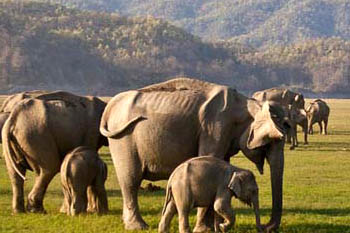
Eravikulam is famous for Nilgiri Tahr, but the Atlas Moth, largest of its kind in the world, is another attraction of the park. The park provides shelter to Elephants, Sambars, Gaurs, Lion-tailed Macaque, Langur, Tigers, Leopards,Malabar Civets, Barking Deers, Nilgai, Phython etc. The birds species found in the park include imperial pigeon, grey jungle fowl etc.
Flora of the Park
The park is known for its ecological and geo-morphological features. The slopes of the hills is covered by various floral species. The vegetation type of the park is mainly tropical evergreen forest. Grasslands, shrubs, and forests found all over the park area. Grasslands with patches of forests almost completely cover the region.
Other Attractions
Anamudi
Located within the park area, the 2,695 metre high peak is the highest peak in South India. Here, the mountain slopes are good for trekking.
Munnar
The hill station of Munnar is located very close to the park. Walking through the numerous tea estates of Munnar is a pleasant experience. One can also see the entire process of tea making, right from plucking the tea leaves to their processing at the Kundale tea plantation.