Trekking Tours in India
Kinnaur - Spiti Valley
Darjeeling & Sikkim Trekking
Garhwal & Kumaon Trekking
Himalayan Treks
Roop Kund Trek
Pin Parvati Trek
Spiti Tour
Wildlife Tours In India
Wildlife National Parks In India
Corbett National Park
Eravikulam National Park
Kanha National Park
Kaziranga National Park
Safari Tours In India
Jeep Safari
Elephant Safari
Camel Safari
Mountain Safari Tour
Motorbike Safari Tour
Rajasthan M.P & Varanasi Tour
Adventure Sports In India
Para Gliding
Ballooning
Camping in India
Ganges River Rafting
Fishing and Angling
Camping in Himalaya
Himachal with Kashmir
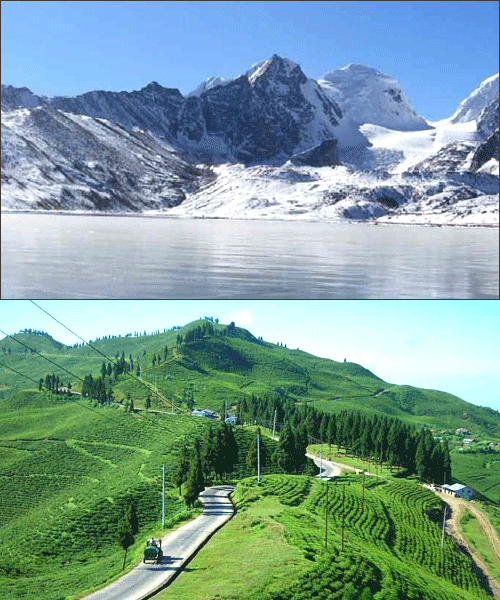
Special Tour Packages
Book Gangtok Tour and Darjeeling - Lachung Tour at the discounted rates which covers the various destination like Gangtok, Lachung, Bagdogra and the attractions tour.It also covers the sightseeings of the Darjeeling and Excursion Trip to Tshongu Lake & Baba Mandir.
Read More
Ayurveda in Kerala
Kerala known as God's own country noted for the Ayurvedic treatment.
Ayurveda in Kerala
Kerala also known as God's own country is noted, among other things, for the Ayurvedic treatment tendered here.
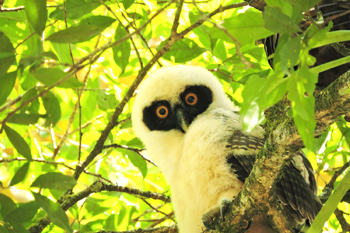
Bird Watching Tours
Bird Watching Tour presents packages that suit all abilities.
Bird Watching Tours
From novice to full-fledged ornithologist, the Bird Watching Tour presents packages that suit all abilities.
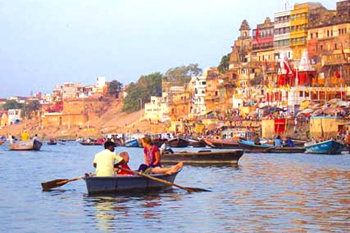
Varanasi & Chitrakoot Tour
It is an Excursion tour to Buddhist town of Sarnath.
Varanasi & Chitrakoot Tour
Varanasi is the hallowed spot where Lord Buddha preached his first sermon after enlightenment.
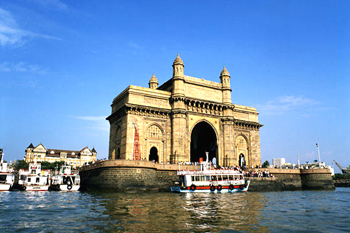
West India Tour
The west zone of India is overpowered by the charm of Goa and other destinations.
West India Tour
West India Tour covers the destination like Maharashtra, Gujarat, Goa,Karnataka, Tamil Nadu, Kerala, Pondicherry, Andhra Pradesh
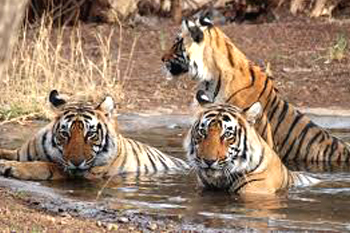
Wildlife National Parks
Corbett National Park is the first national park of India.
Wildlife National Parks
There are various Wildlife Sanctuaries available in the India which are the major tourists attraction.
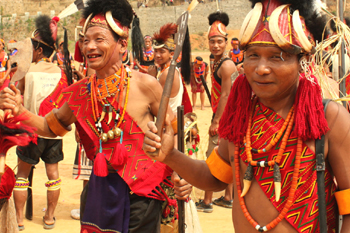
Tribal Tours In India
Tribes of India are very superstitious and strict followers of their traditions and customs.
Tribal Tours In India
The large number of tribes in India is one reason that makes it one of the most desirable places for tourists to visit. The tribal population consists of about eight percent of the nation's total population.
INFORMATION
Wildlife National Parks
Tribal Tours In India
Connect With Us:


© 2017 . All Rights Reserved | Design by